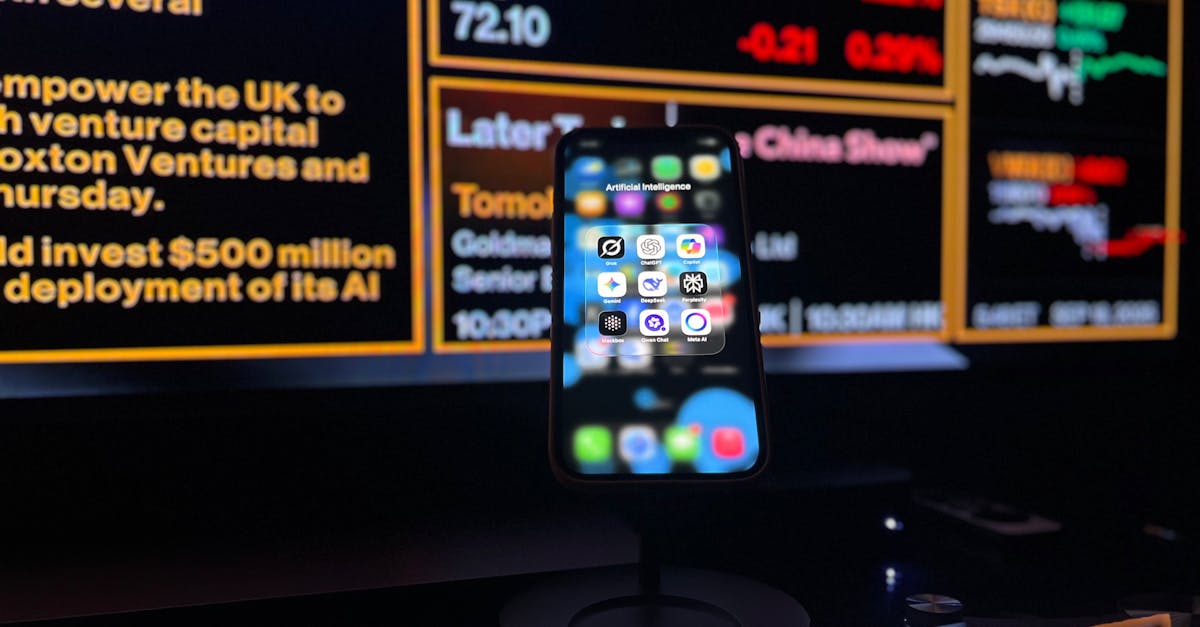
South Korea’s total export value for the year surpassed the $1 trillion mark for the first time, according to data released on 19 November 2026. The milestone was driven primarily by a sharp increase in semiconductor shipments, as overseas technology firms expanded spending on artificial‑intelligence (AI) infrastructure.
The details
The latest export figures show that South Korea’s annual trade outflow crossed the $1 trillion threshold, a level not reached in previous years. The surge is attributed to heightened demand for advanced chips used in AI applications, with semiconductor manufacturers reporting record‑high shipment volumes. Industry observers note that the global push to build AI‑focused data centres and accelerate machine‑learning workloads has translated into larger orders for the country’s high‑performance processors. While the export tally reflects the overall trade balance, the underlying driver is the technology sector’s rapid scaling, rather than traditional goods such as automobiles or petrochemicals.
Market context
The export total of $1 trillion represents a new high for South Korea’s trade performance. The figure is presented as an absolute amount, without a comparative percentage change, but it underscores the scale of the country’s contribution to the global supply chain for AI‑related hardware. The rise in semiconductor shipments is the specific component linked to this trade expansion, highlighting the sector’s pivotal role in the current export landscape.
Background
Exports refer to the value of goods and services sold by a nation to foreign buyers. In this case, the bulk of the increase comes from semiconductors—tiny electronic components that form the core of modern computing devices and data‑centre equipment. AI infrastructure denotes the hardware and software platforms required to develop, train, and run artificial‑intelligence models, a field that relies heavily on high‑speed, energy‑efficient chips. The reference to a stethoscope and doctors in the source material serves as an analogy, contrasting traditional diagnostic tools with AI‑driven analysis that “listens” to data patterns. The mention of mobile clinics in South Africa illustrates how AI is being applied beyond manufacturing, extending into healthcare delivery in remote settings.
What to watch
The reports do not specify any forthcoming policy measures, corporate announcements, or scheduled trade negotiations, leaving the duration of the export surge and its impact on future semiconductor production open to observation.
Why it matters: South Korea’s breach of the $1 trillion export barrier signals the growing economic weight of AI‑related hardware in global trade, positioning the country as a critical supplier in the worldwide shift toward artificial‑intelligence technologies.
Written by AI from the cited reports below — original text, not copied from any source. Informational only, not investment advice; verify against the originals.