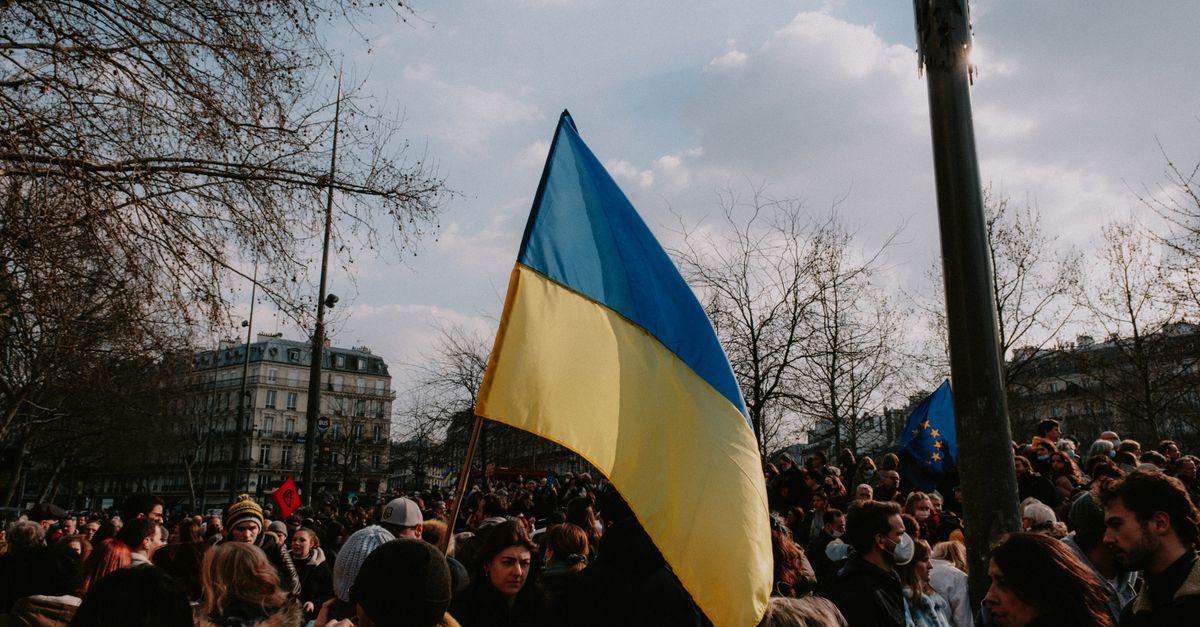
Europe’s current protest wave has been likened to the upheavals of 1968, yet the issues at stake differ markedly. While the 1968 movement focused on anti‑war sentiment and calls for social liberalisation, today’s demonstrations are driven by economic grievances and demands for housing security.
In Spain, a protester in Barcelona threw a bottle at a police van during clashes on 5 October, a scene that underscored the intensity of the November 11 general strike. The strike was called in response to a housing crisis, stagnant wages, and rising living costs. Earlier in the year, demonstrators marched along Madrid’s Paseo de la Castellana on 29 September 2010, a date that recalls the broader labour unrest that followed the end of Franco’s dictatorship, when trade unions transitioned from authoritarian control to more independent organisations.
The current demands centre on affordable housing, wage growth that keeps pace with inflation, and policies to curb the rising cost of living. These issues reflect a shift from the ideological battles of the past to concrete economic concerns that affect everyday life across Europe.
Why it matters: The protests signal a growing pressure on governments to address economic inequality and housing affordability, potentially reshaping policy priorities and labour‑market dynamics.
Written by AI from the cited reports below — original text, not copied from any source. Informational only, not investment advice; verify against the originals.