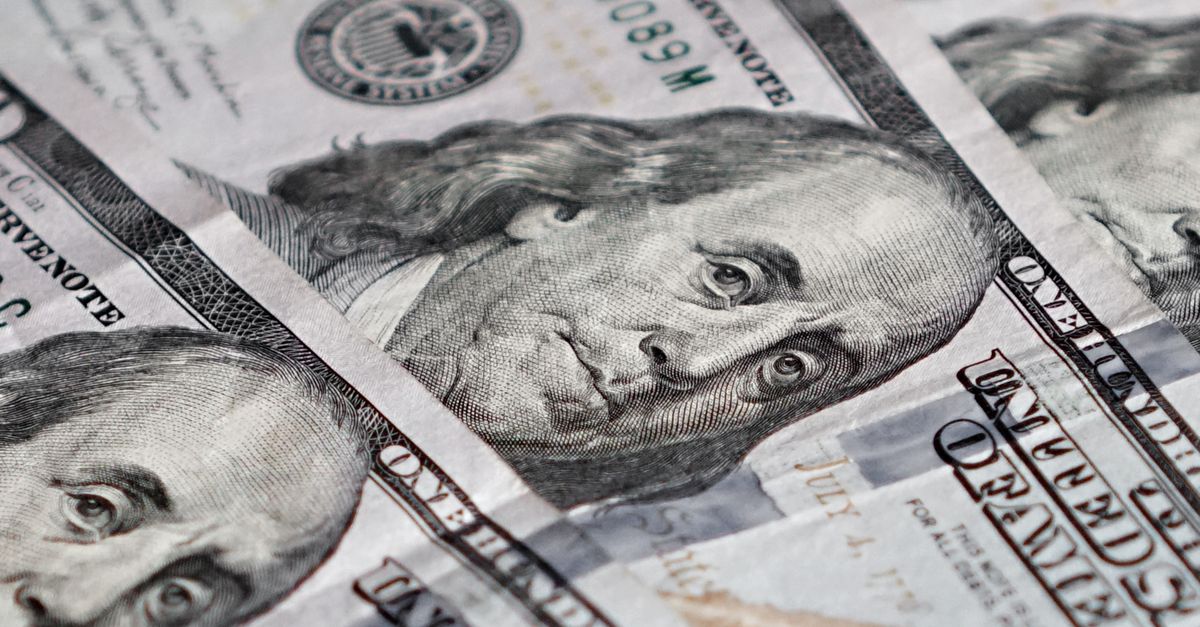
Gold prices slipped in early Asian trading on Wednesday, touching a level not seen for more than a year. The decline was linked to a stronger U.S. dollar and growing anticipation that the Federal Reserve will raise interest rates in the coming month. The dollar remained close to a 19‑month peak as recent U.S. data and remarks from Fed officials reinforced expectations of tighter monetary policy.
The details
In Tokyo, the price of gold eased as Asian markets opened, marking its lowest point in over a year. The movement coincided with a U.S. dollar that held near its 19‑month high, a stance supported by fresh economic indicators from the United States and comments from Federal Reserve representatives. Those remarks bolstered the view that the central bank is likely to implement another interest‑rate increase in the next policy meeting, scheduled for the following month.
Market context
Gold’s retreat to a sub‑annual low and the dollar’s position close to a 19‑month high were the primary drivers of the early‑session price action. The dollar’s steadiness at that level reflected the market’s response to U.S. data and Fed commentary, while the gold market reacted by moving lower, reflecting the inverse relationship that typically exists between the two assets.
Background
Gold is widely regarded as a safe‑haven commodity that investors turn to when confidence in other assets wanes. Its price often moves inversely to the U.S. dollar because a stronger dollar makes gold more expensive for holders of other currencies, reducing demand. The Federal Reserve, the United States’ central bank, sets the benchmark interest rate that influences borrowing costs across the economy. When the Fed signals a potential rate hike, it usually strengthens the dollar and can dampen the appeal of non‑interest‑bearing assets such as gold.
What to watch
The next development to monitor is the Federal Reserve’s policy decision slated for the upcoming month, as the market will gauge whether the anticipated rate increase materialises. Investors will also keep an eye on any new U.S. economic data that could further shape expectations for monetary policy and, consequently, the relative performance of gold and the dollar.
Why it matters: The interaction between a firming dollar and a falling gold price signals shifting risk sentiment ahead of a likely U.S. interest‑rate move, influencing both regional and global market dynamics.
Written by AI from the cited reports below — original text, not copied from any source. Informational only, not investment advice; verify against the originals.