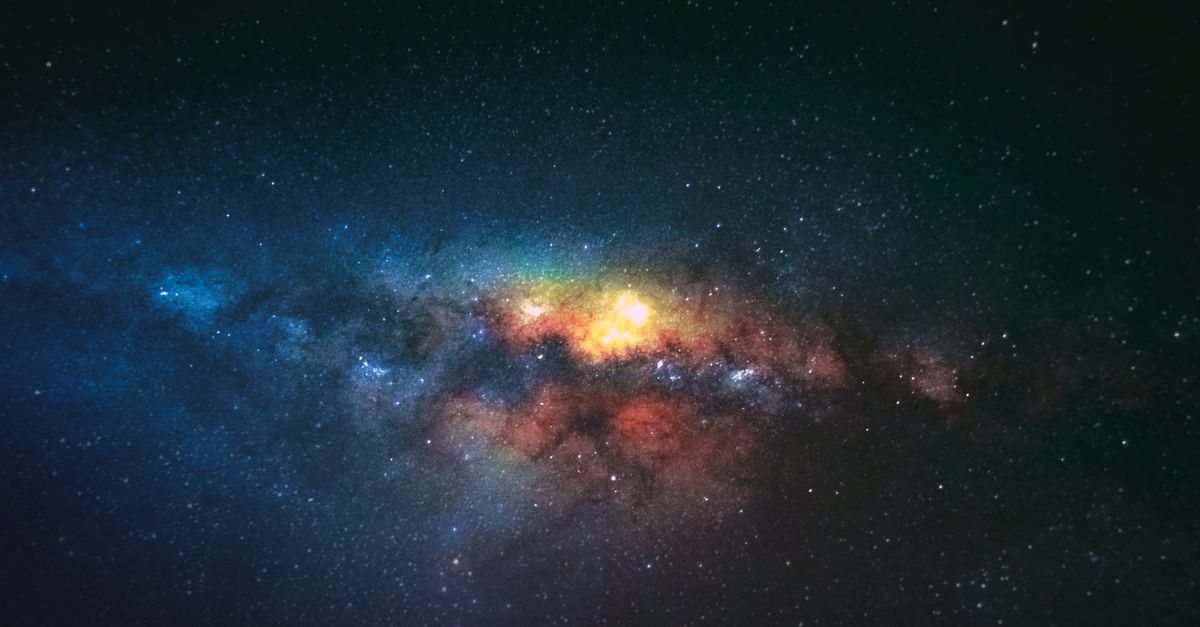
The Astronomy Picture of the Day released a new image on 27 November 2026, showing a view of the Milky Way above the Brazilian town of Lençóis. At the same time, the two major Australian parties that contested the recent federal election – Labor and the Liberals – have not published any dedicated arts policy or platform, and mainstream election reporting has given little space to the arts and culture sector or its recent advocacy efforts.
The details
NASA’s APOD portal posted the photograph titled “Eye in the Sky: The Milky Way over Lençóis,” continuing its daily tradition of sharing a curated image of the cosmos accompanied by a brief scientific description. The image was made available through the APOD website and its associated feeds on the same day.
In the political arena, neither the Australian Labor Party nor the Liberal Party released a specific arts policy as part of their election campaigning. Coverage of the election in major media outlets largely omitted discussion of the arts and cultural community, despite recent calls from that sector for greater policy attention. The last comparable reference to a party‑specific arts stance dates back twelve years, when Labor introduced a policy framework.
Background
The Astronomy Picture of the Day (APOD) is a long‑running NASA outreach service that publishes a new space‑related image each day, paired with an explanatory paragraph written by professional astronomers or educators. It is accessed worldwide through the agency’s website, email subscriptions and RSS feeds, and serves as a popular public‑science communication tool.
An arts policy in the context of a political party refers to a set of proposals or commitments aimed at supporting creative industries, cultural institutions, funding mechanisms, and the broader creative workforce. Election platforms are the collections of promises and priorities that parties present to voters during a campaign, outlining their intended actions if elected.
What to watch
Future releases from APOD will continue to highlight astronomical phenomena, offering ongoing opportunities for public engagement with science. In the political sphere, observers will be looking for any statements or policy documents that the Labor and Liberal parties may issue on the arts sector as the parliamentary term progresses, especially in response to advocacy from cultural groups.
Why it matters: The visibility of scientific imagery and the absence of articulated arts policies both shape public perception of cultural and scientific investment, influencing how resources may be allocated in the coming months.
Written by AI from the cited reports below — original text, not copied from any source. Informational only, not investment advice; verify against the originals.