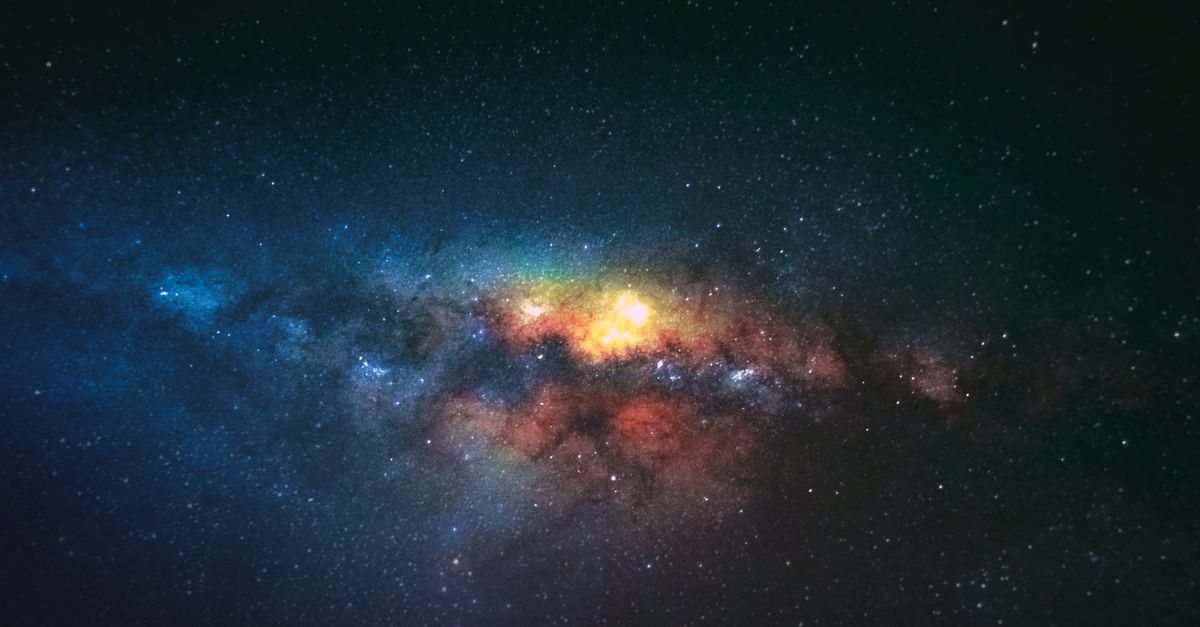
NASA’s Astronomy Picture of the Day for 23 November 2026 highlighted a striking view of the dark nebula Lynds 1251, captioned “The Emergence of Dark Nebula Lynds 1251.” The image was posted on the agency’s APOD portal, part of its daily outreach that showcases astronomical observations.
The details
The featured picture captures the silhouette of Lynds 1251 against the brighter backdrop of surrounding stars and interstellar material. The nebula appears as an opaque patch where dust blocks visible light, revealing its structure only through the contrast with illuminated regions. The accompanying description emphasizes the nebula’s role as a dense cloud of gas and dust, a site where future star formation may occur once gravitational forces overcome internal pressure. The APOD entry notes that the visual impression of the nebula emerges more clearly in certain wavelengths, allowing astronomers to study its composition and density.
Background
The Astronomy Picture of the Day is a long‑running NASA service that provides a new image or photograph of the universe each day, accompanied by a brief explanatory text. Dark nebulae such as Lynds 1251 are regions of interstellar space where concentrations of dust grains are thick enough to obscure background starlight, making them appear as dark silhouettes in optical images. The “Lynds” designation comes from a catalog of dark nebulae compiled by astronomer Beverly T. Lynds, which assigns numbers to identified clouds. These objects are of interest because they often contain the raw material for star formation, and their study helps scientists understand the early stages of stellar evolution. Observations across multiple wavelengths—infrared, radio, and sub‑millimeter—are commonly used to penetrate the dust and reveal hidden structures within such nebulae.
What to watch
The APOD release does not specify forthcoming observations or follow‑up studies, leaving open the question of whether additional imaging or spectroscopic campaigns will be planned to probe Lynds 1251 in greater detail.
Why it matters: Highlighting Lynds 1251 on a widely viewed platform underscores the scientific value of dark nebulae as laboratories for understanding the processes that lead to star birth.
Written by AI from the cited reports below — original text, not copied from any source. Informational only, not investment advice; verify against the originals.